Bone-setting & die da
Knees, Stairs & Squatting
Down the stairs is harder than up; you squat and cannot get back up; the first few steps in the morning are stiff. Knees usually come on slowly, and most people wait until it affects daily life.
Why it happens
The knee carries weight, so age-related change, body weight, how you walk and load it, and old injuries all accumulate there. For some it is the soft tissue around the joint; for others the joint itself has changed; for many it is both. Swelling, heat, catching and giving way each point somewhere different.
Chinese medicine talks about recurring knee trouble through the old associations of sinew and bone, and pays attention to cold and damp in the area. That is the traditional language, not the same thing as a modern diagnosis of joint degeneration.
How we assess it
He asks whether it hurts at the front, the inside or the back; which movement is worst; whether it swells, catches or gives way; whether you have sprained it or had surgery. Then he checks the range of movement, the tissue around it, and how you walk.
What may be worth considering
Depending on what he finds: release of the soft tissue around the joint, an external herbal application, and acupuncture with moxibustion — the sustained warmth around a joint is a common pairing here. Where the joint itself has changed considerably, hands-on work can only do so much, and he will say so.
In an emergency, call 911 or go to your nearest emergency department. A knee that suddenly swells and feels hot, one you cannot stand on, obvious deformity, or joint pain with a fever — see a doctor first, not a practitioner.
In their own words

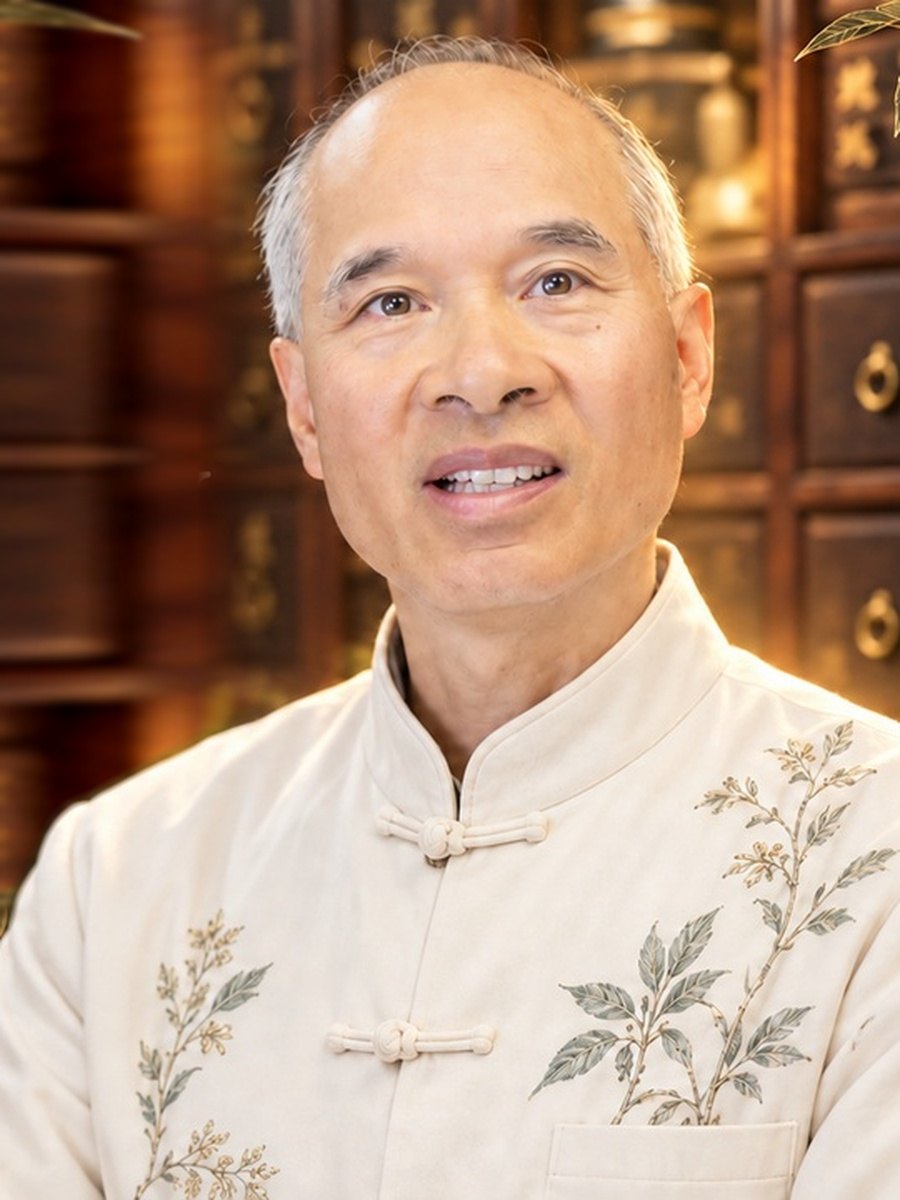 YouTube · VideosKnee Arthritis & Mobility: A TCM PerspectiveXie Yuan (Ivan) Kong · 0:50 · Transcript
Common questions
My knee is already degenerating — is there any point?
Degeneration does not reverse, and that should be said plainly. What is worked on clinically is the tightness and restricted movement around the joint. What to expect varies from person to person; the practitioner will say after assessing.
Should I keep walking and exercising?
Stopping altogether is generally not advised, but how and how much depends on your knee.
Do I need an X-ray first?
Sometimes. If there is swelling, catching, a history of injury or it keeps getting worse, the practitioner will ask for imaging before treating.
Call and describe it. The practitioner will say whether to come in, or suggest you get other checks first. The call is free.