Bone-setting & die da
Neck, Shoulder & Arm
A neck that will not turn in the morning, or an ache that starts behind the neck after lunch and runs down into the shoulder and arm. Among people at a desk all day in Vancouver, it is one of the most common reasons to come in.
Why it happens
Head forward, shoulders held up: the muscles around the neck spend the whole day under load. Over time some people have muscle strain and nothing more; others also have a small joint in the neck sitting slightly out of place. Tingling in the arm or pressure at the back of the head is sometimes related to the neck — and sometimes it is not. That needs an individual assessment.
Dr. Kong often reaches for the old line — where it does not flow, it hurts; where it flows, it does not — which is the traditional way of talking about circulation. That is a traditional framework, not a modern medical diagnosis.
How we assess it
On a first visit Dr. Kong listens first: where it hurts, how long it has been there, what makes it worse or better, whether you have injured it before, what imaging you have had and what you are taking. Then he checks the range of movement in the neck and the state of the tissue around it, by hand.
What may be worth considering
Depending on what he finds, that may mean realignment work, release of the surrounding soft tissue, or an external herbal application. Which of those, and over how many visits, depends on the individual.
In an emergency, call 911 or go to your nearest emergency department. A significant injury to the neck, arm weakness that persists or numbness that is getting worse, a sudden severe headache — get medical assessment first. If you are not sure, call us and let the practitioner judge.
In their own words

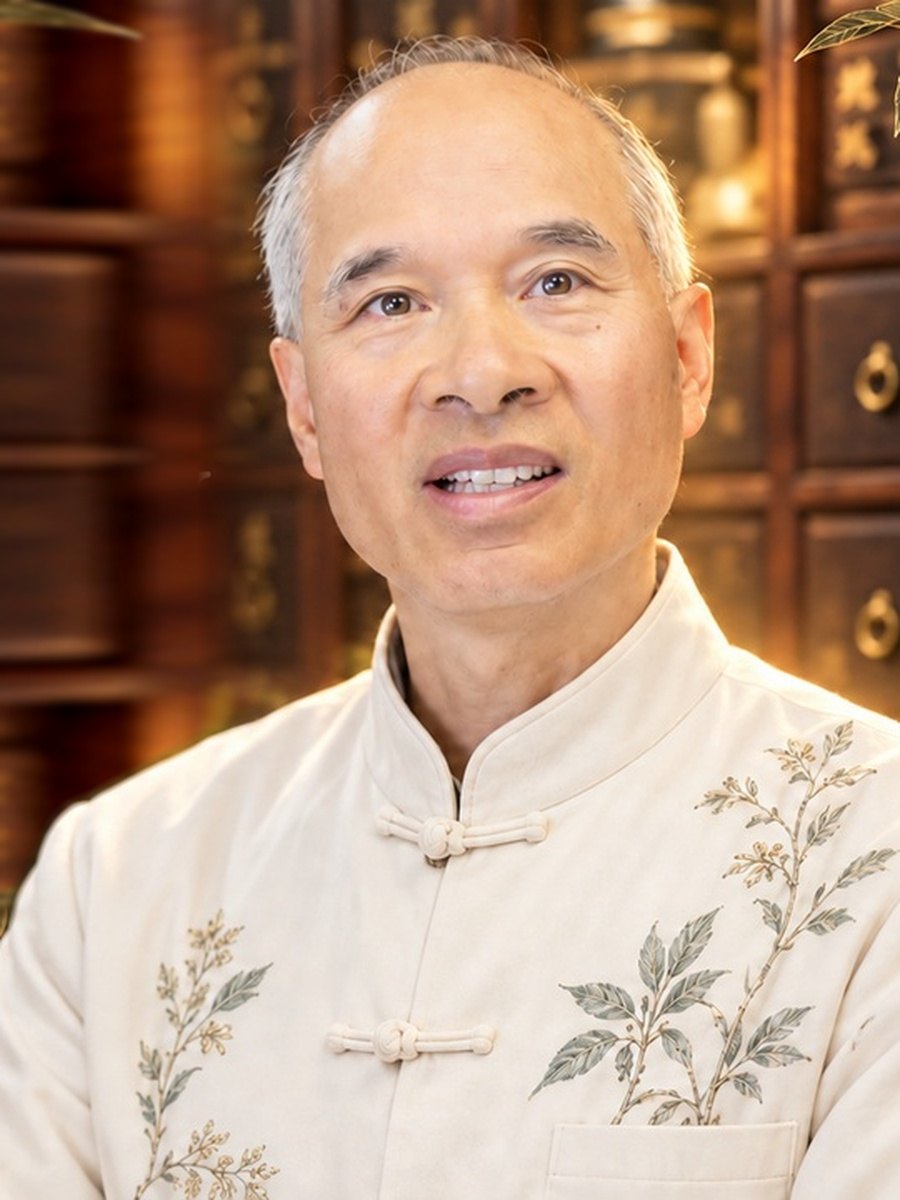 YouTube · VideosNeck & Shoulder Discomfort: Ivan Kong's TCM PerspectiveXie Yuan (Ivan) Kong · 0:43 · Transcript
Common questions
Do I need a referral from my family doctor first?
No. ICBC and MSP acupuncture benefits do not require one either. Extended health plans differ, so check with your insurer.
What should I bring the first time?
A list of what you are taking, or a photo of the boxes, and any recent imaging reports. Wear something that makes the neck and shoulder easy to examine.
How many visits will it take?
There is no number that applies to everyone. The practitioner assesses first, then talks through what to watch for, when to review, and what would mean changing course or stopping.
Call and describe it. The practitioner will say whether to come in, or suggest you get other checks first. The call is free.